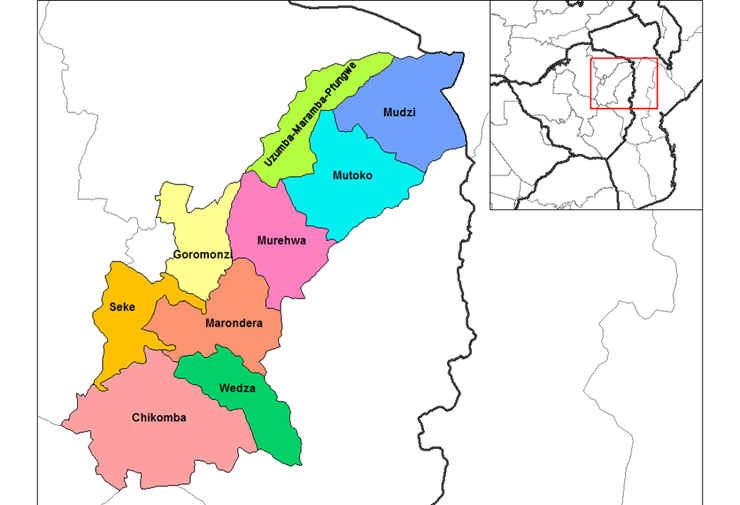

As a Zezuru from Murewa, Mashonaland East province, with roots in Svosve, Wedza in the same province, I am proud to bear the Soko (Monkey/Baboon) totem. As a member of one of the several sub-branches of the Shona tribe, I am part of a rich cultural heritage that values agility, cleverness, and adaptability – qualities embodied by the Soko totem. Growing up in Zimbabwe, I have seen firsthand the significance of totems in shaping our identity, politics, and social dynamics. In this article, I will explore the cultural and political significance of totems in Zimbabwe, drawing on my own experiences and insights.”
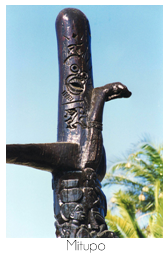
In the vibrant tapestry of African cultures, totems are far more than mere symbols. They are living archives, repositories of history, identity, and social structures, woven into the very fabric of daily life. In Zimbabwe, the politics of totems – or mitupo – offers a fascinating lens through which to understand pre-colonial social organization, power dynamics, and their surprising resilience in the post-colonial era. This intricate system, while seemingly an ancient relic, continues to subtly influence contemporary social and even political landscapes, mirroring similar dynamics observed across the diverse continent.
Zimbabwe’s Shona people, the largest ethnic group, are perhaps the most well-known practitioners of a sophisticated totem system. Each Shona individual belongs to a clan, identified by a specific totem, often an animal, but sometimes a plant or even a body part. The most common totems include Mhofu (Eland) that speaks to the animal’s admirable characteristics, such as pride, ware, and strength. Nyati (Buffalo) symbolizes resilience, strength, natural leadership, and protection of the community or family. People with the Nyati totem are traditionally respected for their courage and their ability to protect their loved ones.
Moyo (Heart). It is one of the few totems that is an animal body part, rather than a whole animal.symbolizes life, courage, leadership, and a caring nature; and historically linked to the powerful Rozvi people who were known for their strength and ruling capabilities.
Dziva (Pool or Great pool). The Dziva is generally associated with the hippopotamus or fish. It symbolizes water, fertility, abundance, wisdom, and strength. In contrast Shiri (Bird) totem is most specifically associated with the African Fish Eagle (Hungwe). The Fish Eagle is a national symbol of Zimbabwe, appearing on its flag and cost of arms. On the other hand, Shumba (Lion) totem represents bravery, strength, and leadership (this is the totem of the current President of Zimbabwe Emmerson Mnangagwa).
The Nzou (Elephant) or simply Samanyanga “the one one with tusks”). The Elephant totem symbolizes wisdom, strength, and noble leadership (this is totem of the late music senior superstar Oliver Mtukudzi). These totems are not simply names; they are imbued with a rich narrative, tracing ancestral lines back to a common progenitor, often a revered chief or powerful ancestor.
The primary function of totems in pre-colonial Zimbabwe was to regulate marriage and kinship. Exogamy, the practice of marrying outside one’s totem, was strictly enforced to prevent incest and maintain genetic diversity. This prohibition extended beyond the immediate family, creating intricate networks of alliances and interdependence between different totem groups. Furthermore, totems reinforced social cohesion and identity. Individuals of the same totem, even if geographically separated, recognized each other as kin, fostering a sense of shared belonging and mutual obligation. This communal identity was crucial for survival, providing a safety net in times of hardship and solidifying alliances in times of conflict.
Beyond kinship, totems played a significant role in resource management and land allocation. Certain totems might have been associated with specific territories or resources, reflecting historical migration patterns or successful claims to land. For instance, a clan with the Moyo (heart) totem might have been historically associated with areas rich in buffalo, while the Dziva totem might have resided near water sources. While not rigidly enforced as legal titles, these associations carried considerable cultural weight and could influence local power dynamics.
The political dimension of totems in pre-colonial Zimbabwe was multifaceted. Chiefs often derived their legitimacy from their ancestral lineage, intrinsically linked to their totem. The senior lineage within a totem group would typically hold the chieftaincy, and succession disputes often revolved around interpreting ancestral claims and historical precedents within the totem framework. The reverence for ancestors, channelled through the totem, provided a powerful ideological underpinning for traditional authority.
The arrival of colonialism drastically disrupted these indigenous political structures. Colonial administrators, largely ignorant of or dismissive of the nuanced totem system, imposed their own administrative units and appointed chiefs who often served colonial interests rather than ancestral legitimacy. Yet, even under colonial rule, the totem system persisted, often operating beneath the surface as a form of cultural resistance and identity preservation. It became a silent assertion of indigenous identity in the face of colonial attempts to homogenize or dismantle African societies.
In post-colonial Zimbabwe (from 1980 onwards), the influence of totems remains surprisingly resilient, albeit often subtly. While no longer the primary determinant of political power, totemic identity continues to shape social interactions, particularly in rural areas. It influences marriage choices, conversational pleasantries (where individuals might respectfully address each other by their totem praise names), and even subtle forms of social networking. While modern political parties in Zimbabwe are not explicitly structured along totemic lines, understanding the underlying social divisions and historical allegiances often requires an appreciation of the enduring totem system. For example, a candidate from a particular region might find it advantageous to subtly reference shared totemic heritage with potential voters, fostering a sense of familiarity and trust.
Drawing parallels across Africa reveals a broader pattern of totem politics, albeit with diverse manifestations. For instance in South Africa, the Zulu people (of the KwaZulu Natal province) have their own intricate clan system, where each clan is identified by an isibongo (praise name), often linked to an animal or an historical event. These praise names function similarly to totems, reinforcing clan identity, regulating marriage, and connecting individuals to their ancestral heritage. The enduring power of these clan identities is evident in traditional ceremonies and even in contemporary political discourse, where appeals to clan loyalty can still resonate with voters.
Similarly, in parts of West Africa, particularly among the Akan of Ghana and Côte d’Ivoire, the abusua (matrilineal clan) system plays a crucial role. While not strictly totem-based in the Zimbabwean sense, these clans share common ancestry, regulate marriage, and are tied to specific stool lands (lands held in trust by chiefs), which are vital for political and economic power. The selection of chiefs and traditional leaders often involves complex negotiations and agreements among various clan heads, demonstrating the deep-seated political implications of kinship systems.
In East Africa, among groups like the Maasai, clans are also fundamental to social organization and power. While not always defined by a specific animal totem, their clan identities are rooted in common ancestry and dictate social roles, responsibilities, and alliances. The authority of elders and leaders is often intrinsically linked to their position within these clan structures, influencing land use, conflict resolution, and community governance.
The common threads across these diverse African examples highlight the enduring “politics of totems” or, more broadly, the politics of kinship and ancestral identity. These systems:
- Regulate Social Order: By dictating marriage patterns and establishing kinship networks, they maintain social cohesion and prevent internal strife.
- Define Identity: They provide individuals with a strong sense of belonging, connecting them to a shared past and collective memory.
- Legitimize Authority: In traditional contexts, ancestral lineage, often channelled through totems or clans, is a primary source of legitimacy for leaders.
- Influence Resource Allocation: Historically, and sometimes subtly even today, they can influence claims to land and resources.
- Serve as a Source of Resilience: They have proven remarkably resilient against colonial attempts at disruption, acting as reservoirs of cultural identity and resistance.
While modern nation-states in Africa strive for national unity and often promote universal citizenship, the underlying currents of totemic or clan identities continue to flow. These systems are not necessarily antithetical to modern governance; rather, they represent a deeper layer of social organization that governments often navigate, sometimes leveraging them for local support, at other times encountering them as sources of internal division.
The politics of totems in Zimbabwe and across Africa serves as a powerful reminder that history is not easily erased. These ancient systems, while evolving and adapting to contemporary realities, continue to shape social interactions, influence power dynamics, and provide a rich tapestry of identity that informs the present and will undoubtedly continue to resonate into the future. Understanding these intricate cultural legacies is crucial for comprehending the complexities of African societies and their unique political landscapes.
References
1. Bourdillon, M. F. C. (1991). The Shona Peoples: An Ethnography of the Contemporary Shona, with Special Reference to Their Religion. Mambo Press.
2. Chigwedere, A. (1980). From Mutapa to Rhodes: A Study of the Pre-Colonial History of Zimbabwe. Zimbabwe Publishing House.
3. Lan, D. (1985). Guns and Rain: Guerrillas and Spirit Mediums in Zimbabwe. Zimbabwe Publishing House.
4. Ranger, T. O. (1967). Revolt in Southern Rhodesia, 1896-7: A Study in African Resistance. Heinemann.
5. Muponde, R. (2004). The Politics of Totems in Zimbabwe. Journal of African Cultural Studies, 17(1), 43-56.
6. Mudenge, S. I. (1988). A Political History of Munhumutapa, c. 1400-1902. Zimbabwe Publishing House.
7. Chigwata, T. C. (2017). Traditional Institutions and Local Study of Decentralisation in Zimbabwe. Journal of Contemporary African Studies, 35(2), 215-229.
8. Shona Totems and Clans. (n.d.). Retrieved from (link unavailable)
9. Zimbabwean Totems. (n.d.). Retrieved from (link unavailable)
Note: All other references are hereby acknowledged.
Leave a Reply