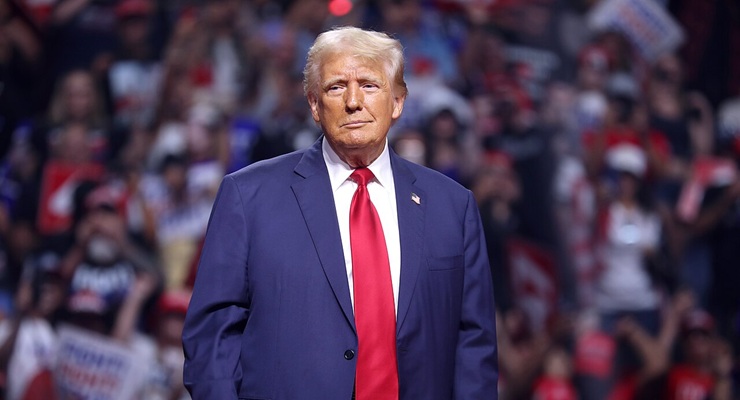

Donald Trump’s presidency highlights profound challenges in U.S. leadership. His communication style often demonstrates unpreparedness, and his reliance on selective media sources limits his ability to engage with complex issues. This approach has contributed to international isolation for the U.S., even as other nations continue to advance globally.
Although the U.S. faced challenges before Trump’s current administration, many observers believe his second term has further weakened the country’s global standing. Rather than fostering collaboration and diplomacy, Trump has promoted transactional relationships, undermining long-term alliances. Some of his policy decisions appear to prioritize personal or financial gain over broader national interests.
Although Trump occasionally proposes innovative ideas, actions taken under his leadership have at times disrupted established institutions and processes. He has arguably attempted to avoid accountability, contributing to the perception that his administration prioritizes self-interest over collective well-being. Critics argue that certain policies disproportionately benefit the wealthy while placing additional strain on social programs, education, and healthcare. These trends contribute to growing social and economic tensions.
Beyond policy, Trump’s rhetoric and conduct have heightened domestic polarization and, in some instances, contributed to civil unrest. Comparisons to past administrations highlight the extent to which his leadership style diverges from traditional norms, often prioritizing spectacle over substance.
In contrast, states such as Illinois illustrate that thoughtful governance – despite higher taxes – can deliver tangible benefits to citizens. Investments in education, healthcare, cultural institutions, and public amenities enrich lives and strengthen social cohesion, demonstrating that careful management of public resources is both possible and valuable.
The challenges presented during this presidency underscore the importance of accountability, critical evaluation of leadership, and civic vigilance. Citizens must remain informed and discerning, prepared to question decisions and hold elected officials responsible. Effective leadership demands more than promises or appearances; it requires competence, integrity, and a commitment to the public good.
Patrick Vincent says
I think Trump is doing better than the last term with Biden
Jack Jones says
I have friends that have encouraged me to give Trump a chance. Again his approach and over the top strategies are what concerns me. He pushes a lot of buttons and is engaged in big change or changes. I hope it somehow works out as well, Jack