Not only are there before and after,
but there are also beginnings and returns.1
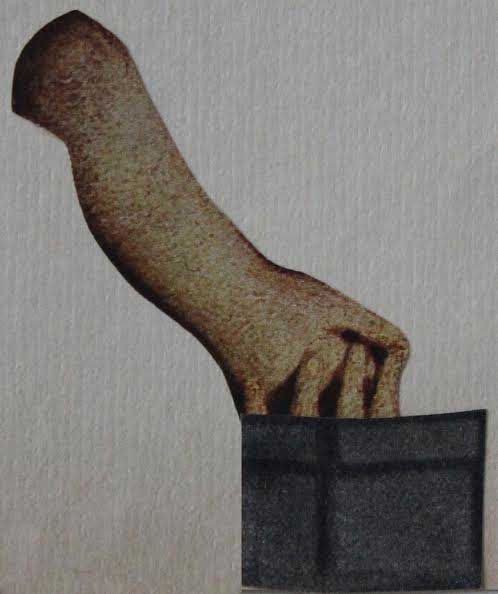
How can we tell what is moral from what is not? Is there something within us that lets us know? Is the difference between right and wrong free from situationism: the particular context of an act? Is morality absolute, applicable in all circumstances and for everyone equally? The ways are not always mapped or charted.2
We feel that is wrong to harm a fellow human being. We sense that is right to care for others. But, what happens if – for instance, in an acute circumstance – a child is about to die of hunger (or of an illness) and the only way we could save his or her life is by stealing a piece of bread (or a medicine)? I’ve learned what I was supposed to learn, but now it comes to me that in doing so I’ve unlearned other things.3
From one perspective, the person that steals the piece of bread or the medicine commits an immoral act: that person broke a rule. From another perspective, the person that doesn’t (and the child dies) commits a wrong too: that person didn’t care enough to bravely act. Here we find ourselves with a dilemma that doesn’t fit well with the conception of absolute morality: the ethical belief that there are absolute standards against which moral questions can be judged, and that certain actions are right or wrong, regardless of the context of the act. Whichever road I follow, I walk in the land of many gods, and they love and eat one another.4
Let’s take lying as another instance. We feel that we should not lie, as lying can be harmful. The act in itself is neither good nor bad; the intention and the effect of the act are what harm us. Some people see scars, and it is wounding they remember.5
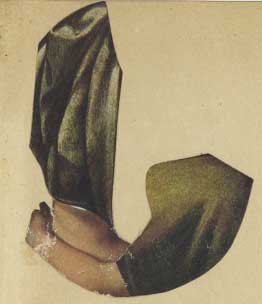
Now, suppose you live in a country where an unjust persecution (brutality, harassment, law…) is taking place towards a group of dissidents or slaves or foreigners or any labeled “the others”.6 And these seek refuge at your place to avoid being captured,7 tortured, or murdered. Then, the law enforcement agents come to your door and ask you: “Do you know these persons? Have you seen them? Can you tell us where they are?”
If at the moment you tell the truth – trying to adhere to an absolute morality – what could happen? Phantoms of generations past are in our bodies. These explain us to ourselves.8
If you – on the other hand – lie and save (for the moment) their lives, was your act right or was it wrong? Was it moral or immoral? Depends on the situation,9 depends on the context, or does it not? Most of the time we are simply not patient enough, quiet enough, to pay attention to the story.10
LINKS:
- Linda Hogan. Dwellings.
- Ibid.
- Ibid.
- Ibid.
- Ibid.
- The Guardian. Uganda’s LGBT community celebrates Pride – discreetly.
- NPR. Border Agent Accused of Hiding Illegal immigrants.
- Linda Hogan. Dwellings.
- Democracy Now! U.N.: Number of Globally Displaced Nears 60 Million.
- Linda Hogan. Dwellings.
Leave a Reply