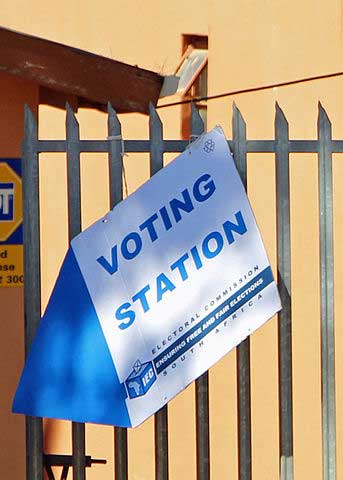
Today’s election observation and monitoring conducted by independent domestic and international organizations has become a normative global practice. When conducted effectively, observation ensures electoral integrity, detects and deters fraud and offers recommendations for stakeholders to improve future elections. Therefore, for election observers to continue effectively discharging their mandate, scholars and analysts are arguing for embracing of appropriate information communication technologies (ICTs).
.jpg)
Stephen Chan a pioneer of African election observation decries the slow pace in embracing technology by election observer missions in Africa. In one of his numerous conversations on African elections he wrote, “today’s observers are still essentially using the same semi-improvised, low-tech methods and models we devised in a hurry 37 years ago (for Zimbabwe’s first democratic general election in 1980).
However, other experts’ notably Tidiani Togola believe that election observers are embracing ICTs in Africa. During a paper presentation, titled: “Election observation in the digital era: Challenges and opportunities for West Africa” (See video above), Togola noted that ICTs “have contributed greatly to the success of election observation missions in Africa thereby enhancing the quality of data collected, making it possible to identify election day incidences and often addresses them in real-time. Despite this undeniable success, the introduction of ICTs has not been without its share of challenges, poor infrastructure, lack of training and resistance to change from governments and civil society alike has all prevented ICTs from realizing their true potential”.
Notable countries that have allowed election observers to use ICTs on reporting includes Lebanon where the Lebanese Association for Democratic Elections (LEDE) is held as the first election observer group to use SMS technology to collect observation reports from the field during the 2009 parliamentary election.
In 2011, Tunisia fresh from the Arab String debacle, followed suit when observer groups such as the Moura Kibourn used SMS to collect observer reports during the constituents Assembly elections. Mali has also used a similar arrangement among other countries. This shows that ICTs gadgets such like mobile phones when correctly used has the potential to improve the speed, efficiency and quality of election observation reports and resolution of complaints. However, there is still room to continuously explore strategies to encourage more African countries to embrace technology in election observation.
This as noted earlier will help communicate problems and solutions in real-time. With time, this will also help reduce electoral conflict associated with unnecessary disagreements that could have been avoided if the problems were communicated and solutions proffered in time.
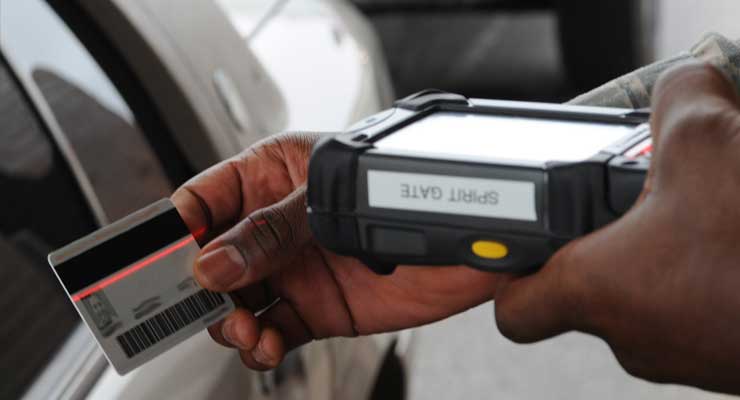
With 5 major presidential and parliamentary elections in Africa later this year in Rwanda, Kenya, Angola, Liberia and Democratic Republic of Congo (DRC), technology that goes beyond biometric voter registration (BVR) should be used by election observers as is the now becoming a normative practice in other progressive nations as alluded above. As analyst Elizebeth Blunt notes, in an article titled: “Why Africa election results are slow”, technology will also increases the speed of announcing election result, again this reduces an incentive for electoral violence stemming from anxiety and doubting the results.
Leave a Reply